
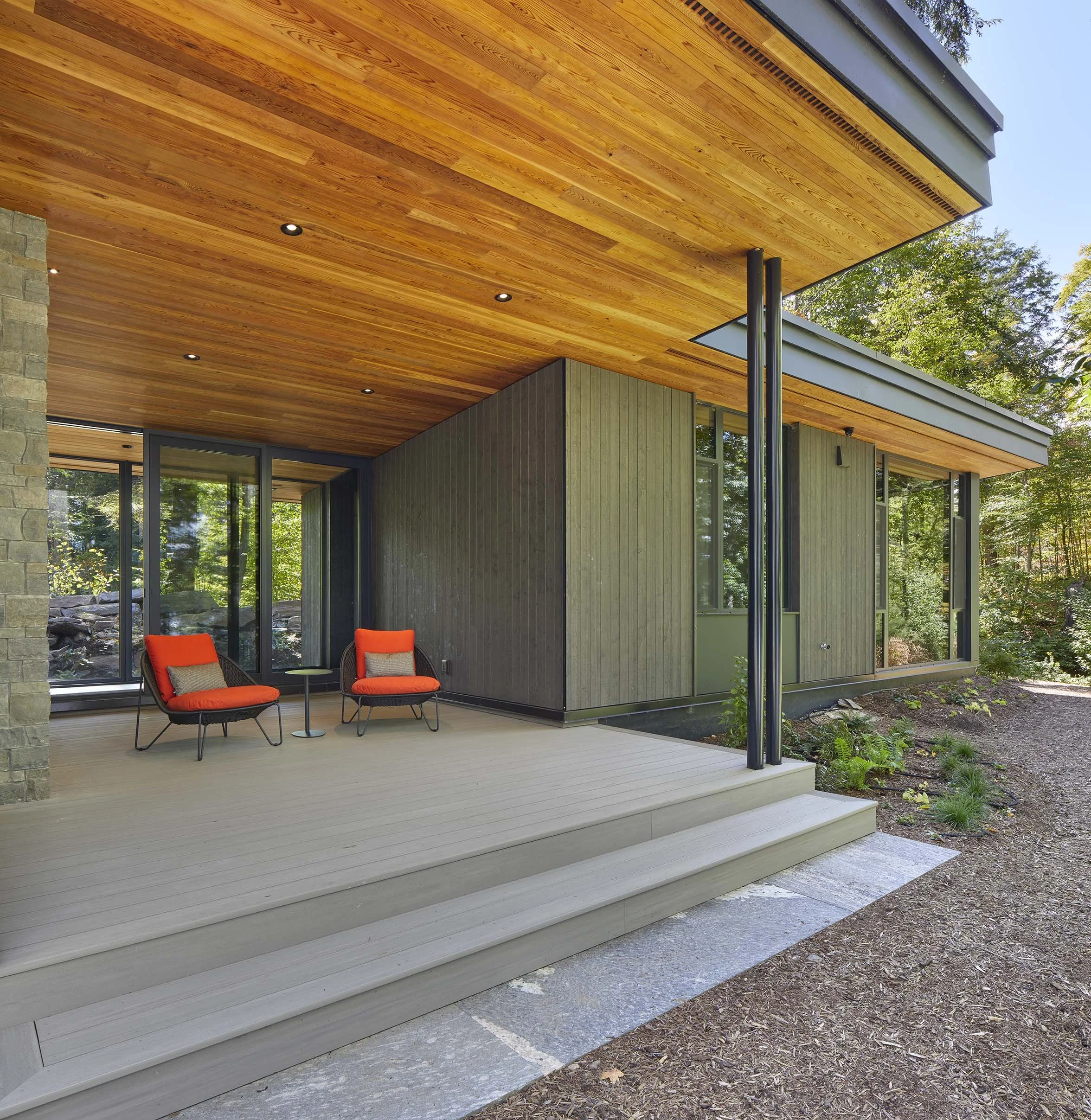
Blurring the Line Between Inside and Outside
One idea runs through much of our residential work: the line where a house meets its landscape should do more than keep the weather out. At its best it becomes a threshold rather than a barrier, so that the interior and the setting around it read as parts of a single place rather than two separate worlds that meet at a pane of glass.
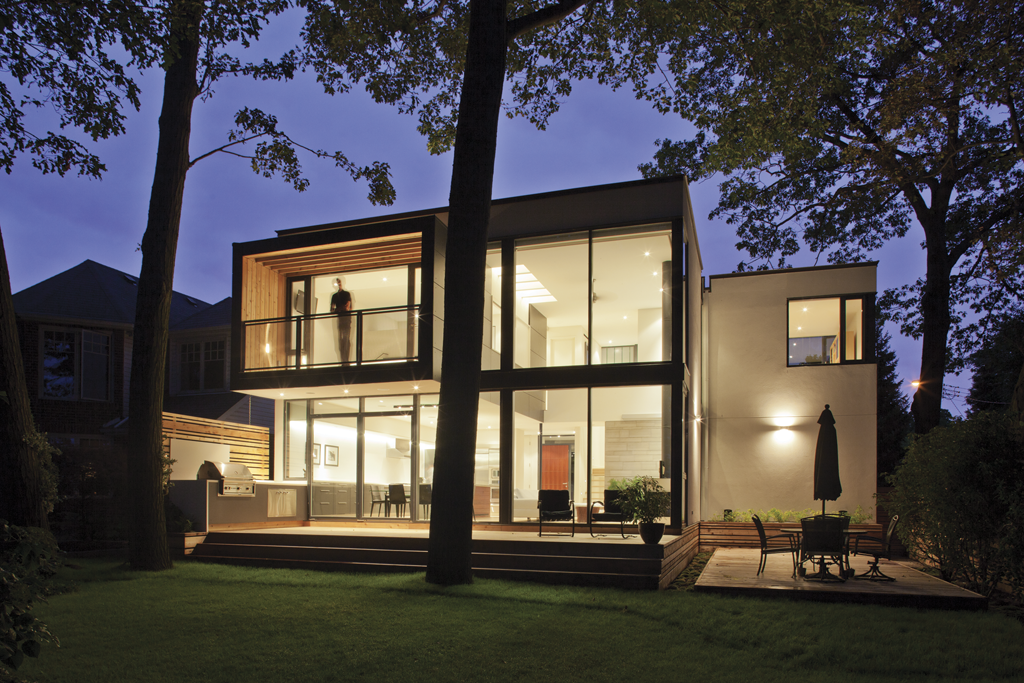
Architecture and Interiors, Designed as One
On many residential projects, the architecture and the interior design are two separate commissions. One firm designs the house and hands it to another to design the rooms within it. We work differently: we design both the architecture and the detailed interior as one, and this sets our practice apart from many architecture firms.
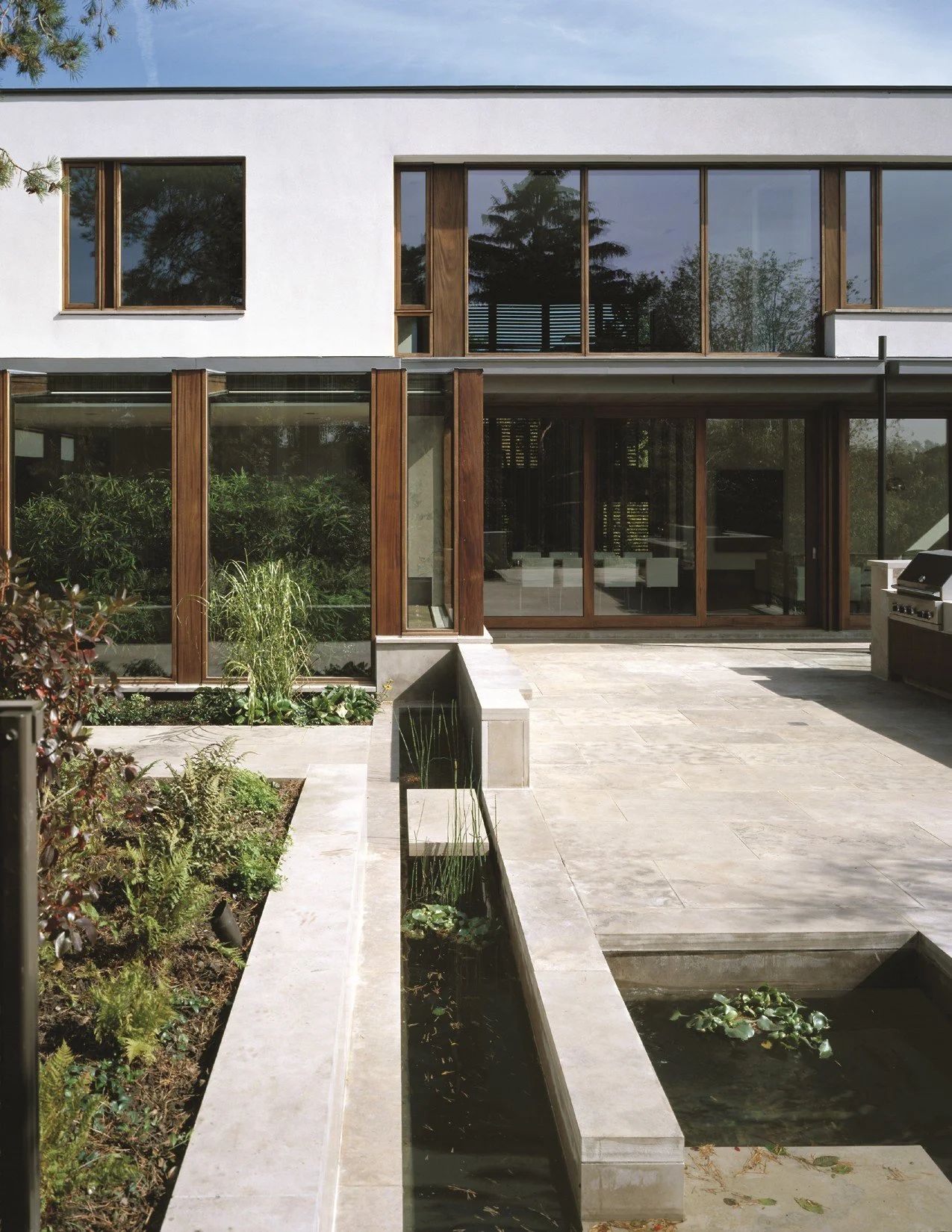
Designing for a Lifetime: Multi-Generational Living and Aging in Place
A house is designed in a particular year for a particular family, but it's lived in over decades, and the people in it don't stay the same. Children arrive and eventually leave. Parents grow older, and sometimes move in. The owners themselves age, and a flight of stairs that meant nothing at forty is a real consideration at seventy-five. A house that serves a family well over the long term is one designed with the understanding that it will have to change — even when there's no way to know exactly how.
Renovate or Rebuild?
Most people arrive at this question with the answer already chosen. The house has character, so it should be saved; or it's a tear-down, so it should go. Both instincts are sometimes right and often premature, because the real answer depends on things that aren't visible from the street — what the existing structure can carry, what your plans actually ask of it, what the zoning permits in each case, and what each path costs once the surprises are accounted for.
How to Evaluate a Property Before you Buy it
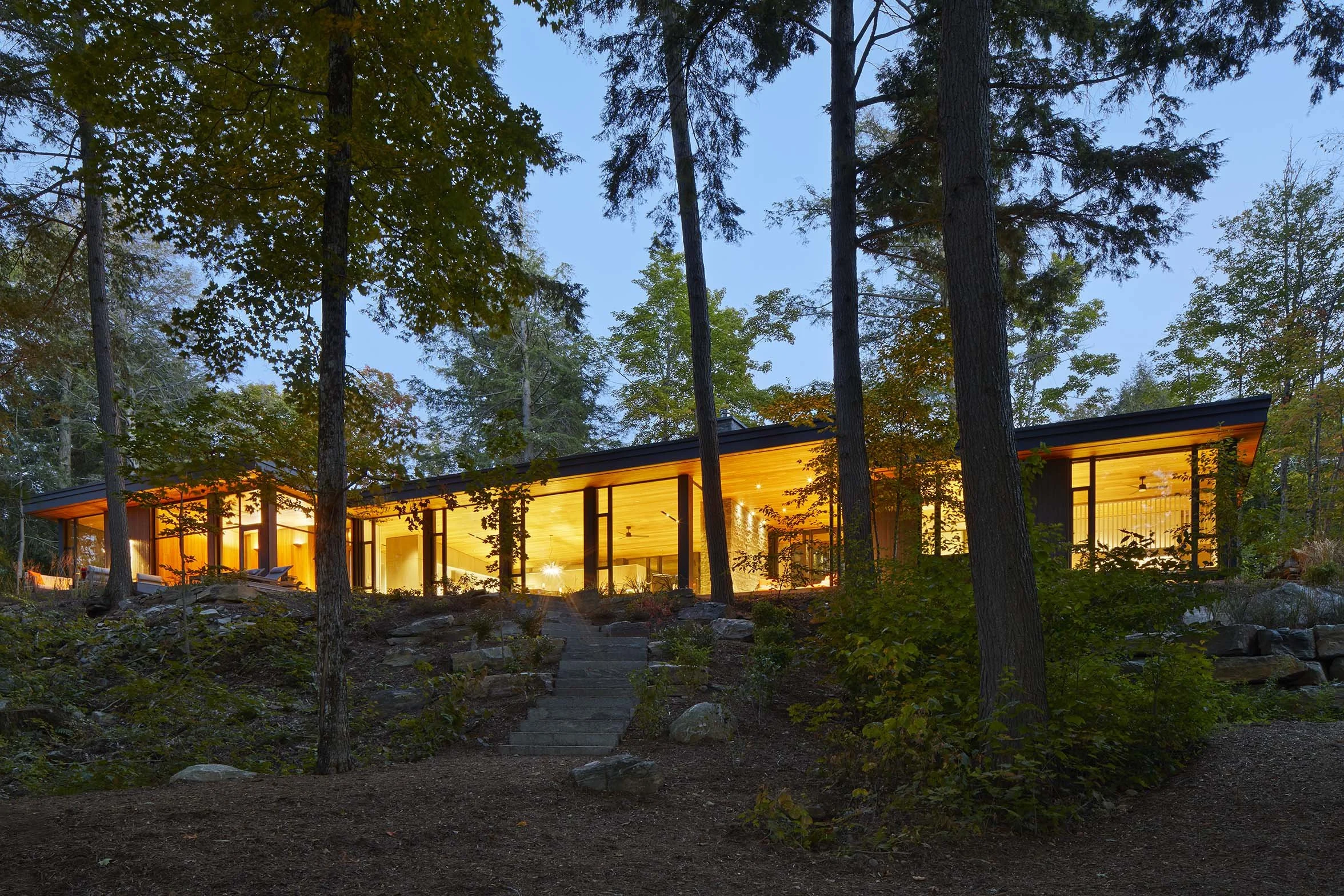
A listing shows you a property. It doesn't show you what you can actually build on it — the buildable area left after the setbacks, the conservation authority, and the tree protection have each taken their share, or what the ground beneath it will cost to build on. By the time most people bring in an architect, they already own the land, and the constraints that came with it.
Designing a Passive House in Ontario
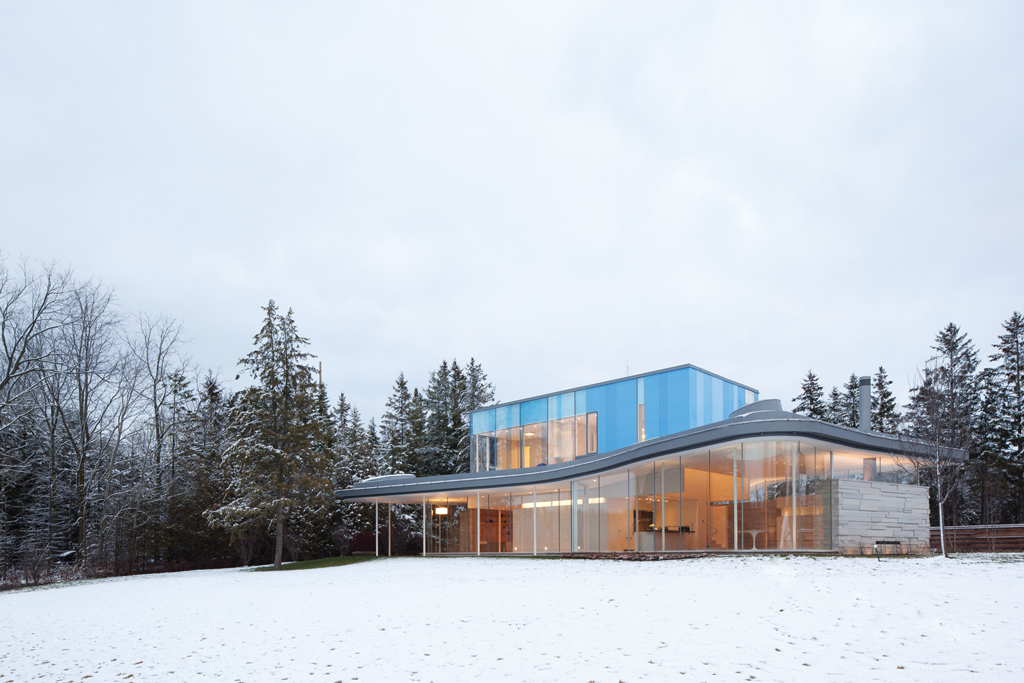
Ask what makes a house inexpensive to heat and cool and comfortable to live in, and the answer usually comes back as a list of products: a heat pump, triple glazing, a thicker wall, solar panels on the roof. These all matter, and in a project run properly every one of them is selected early and priced alongside everything else. But these are not the full answer. The architecture also decides it: which way the house faces, how compact it is, where the glass is and how much, whether the overhang is sized for the summer sun or more for aesthetics.
What Drives the Cost of a Custom Home in Toronto
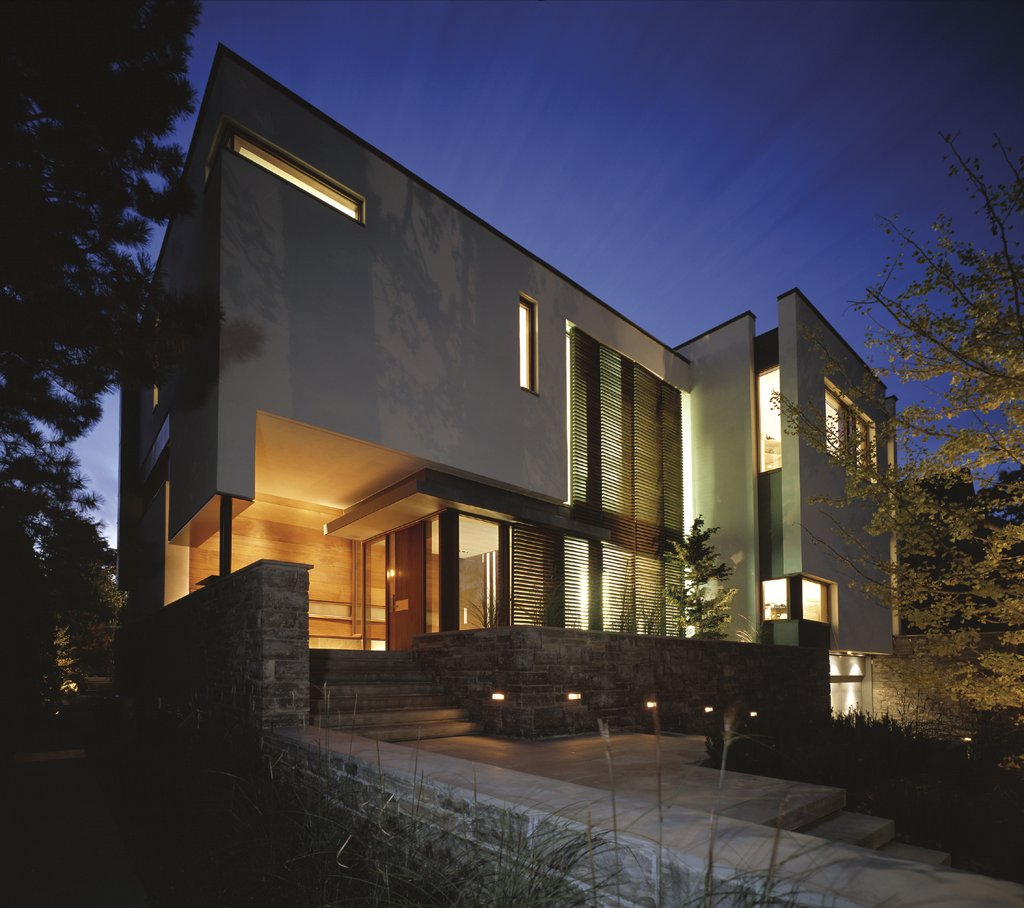
"How much will it cost?" is the first question most clients ask, and the one the industry answers least candidly. A price per square foot gets quoted, a number lodges in someone's mind, and it rarely survives contact with the actual project. The difficulty is that a custom home is not a commodity. Its cost is not a rate applied to an area — it is the sum of a series of decisions about the site, the level of finish, the structure, and the way the house performs, each of which can move the figure substantially. The useful thing is not a number. It is understanding what drives the number, so that the decisions setting it are made deliberately rather than discovered at the end.
A Four-Season Cottage Is Not a Summer Cottage With The Heat Turned On
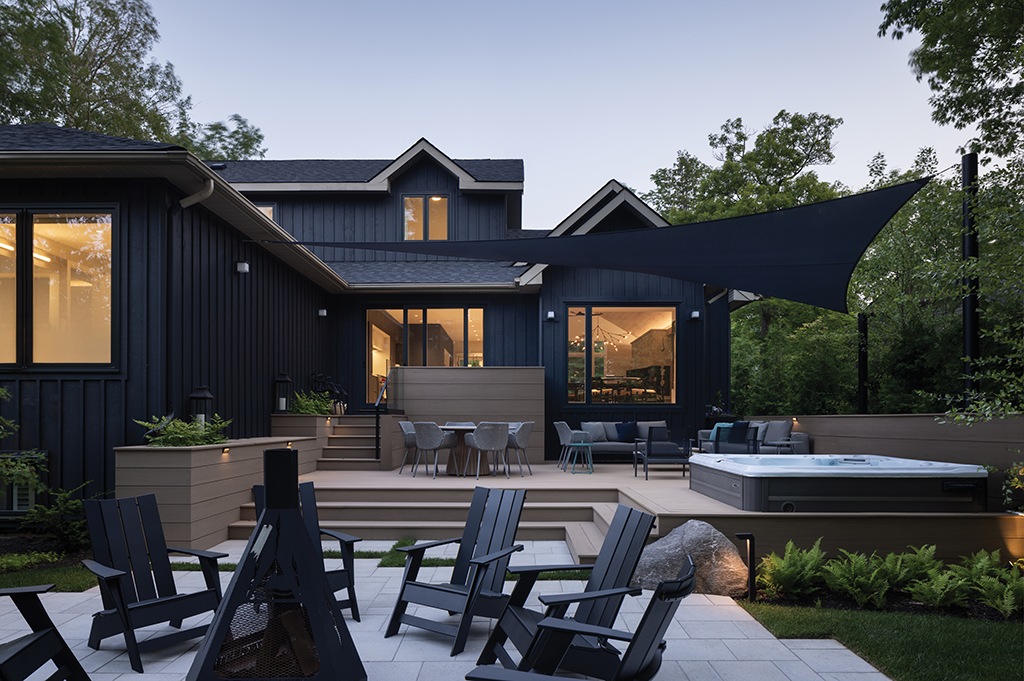
For much of the last century, a cottage was a summer building — opened in May, closed in October, pipes drained on the way out the door. That assumption is quietly disappearing. More of our clients now want a place they can drive to in January, work from through the shoulder seasons, and use as a year-round home rather than a seasonal escape. Remote work made it practical; a shift in how people value these places made it desirable.

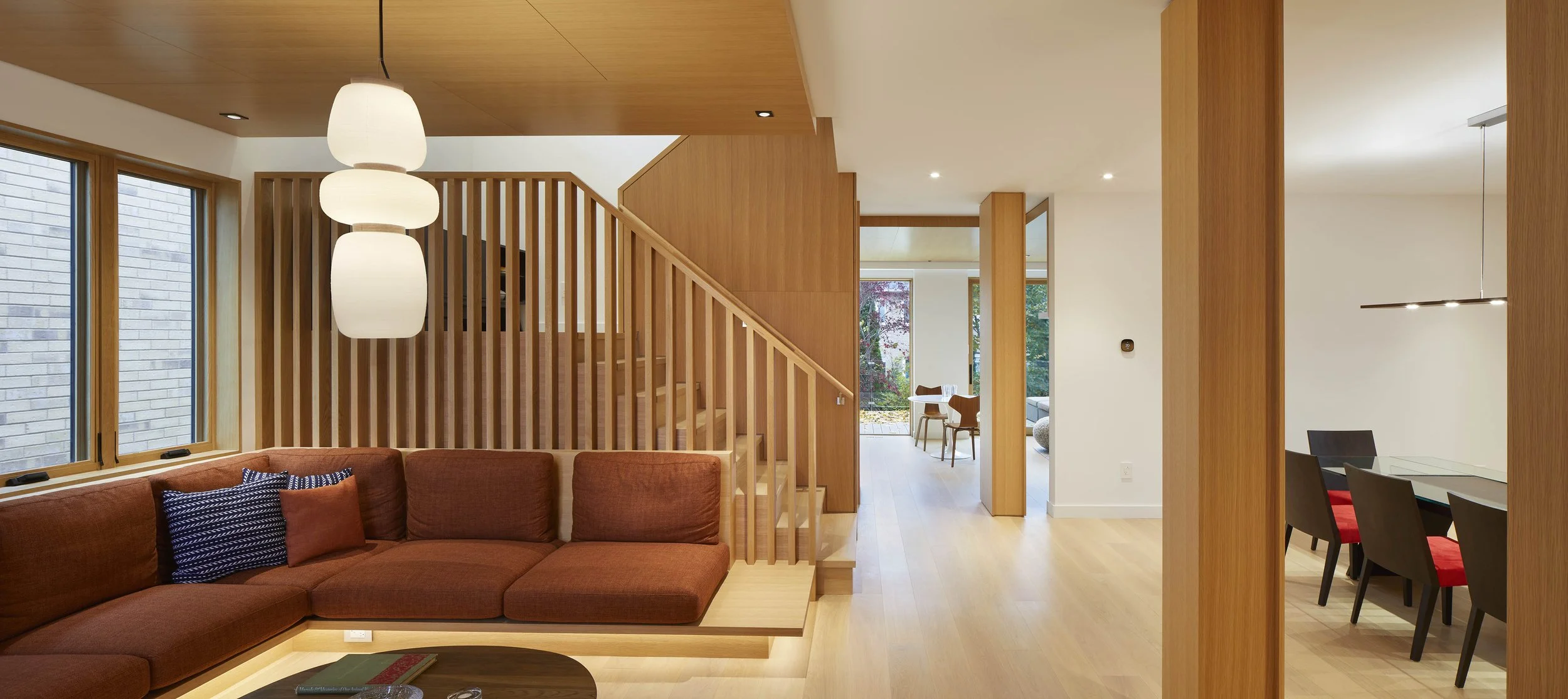
Modern Living Room Design Inspiration for Everyday Living
The contemporary living rooms we’ve designed over 26 years of practice share one conviction: an interior should adapt, not stay still. A room has to make space for changing lifestyles and family dynamics, and for the art, accessories, and travel mementos that accumulate over a life. That belief is what unifies the work — even as every project answers to a different household, vision and site
The function of a living room has changed over the years with the way that people live and entertain. Formal living rooms are less common, and are also often part of the family room connected to the kitchen, which means that a less formal design may be appropriate, but if approached thoughtfully it should be able to function both formally and informally. A key component of our designs is the creation of a dramatic focal point in the room. This can be a fireplace, a feature wall, a piece of art, or in some cases it is a compelling view out to the natural environment.

From First Conversation to Finished House: The Custom Home Process in Toronto
For most clients, commissioning a custom home is a first. The process is unfamiliar, the decisions are significant, and the stakes, financial and personal, are high. A clear picture of what a good working relationship with an architecture firm involves can help you approach the process with more confidence.

Our Design Philosophy: Light, Landscape and Material
After more than 25 years of designing custom homes in Toronto and across Ontario, we’ve come to think of our work less as a question of style than of experience — how a house feels to live in, day to day and season to season. A few ideas shape that thinking on every project, whatever its setting or scale.
A Custom Home in Toronto Begins with a Blank Slate
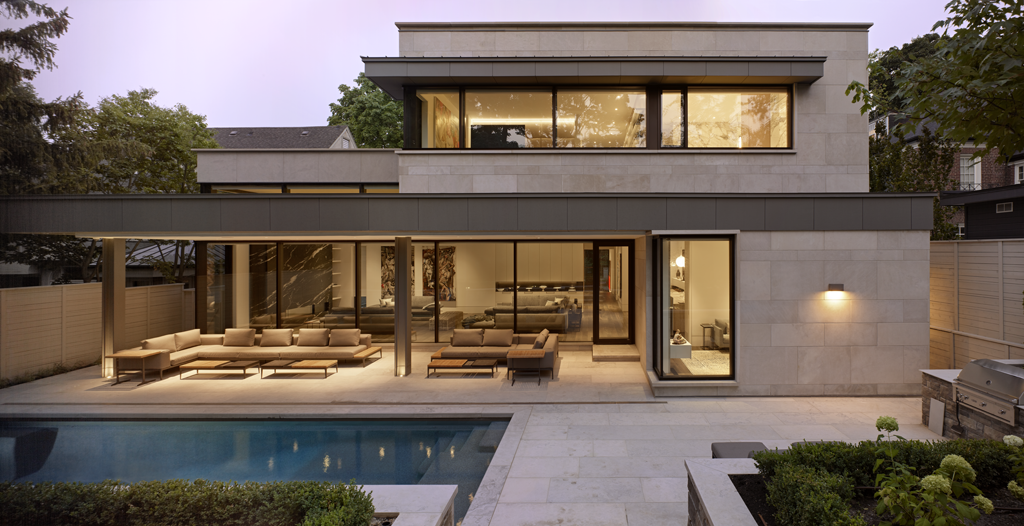
The word "custom" is used loosely in residential construction. Builders apply it to homes where the buyer chooses the countertops and picks a façade from a handful of options. A blank slate is something else entirely — no template, no pre-set floor plans, no catalogue of finishes. For our architectural practice, every project starts from there, and the result is a home that could only have been designed for one client, on one site.
How to Choose a Residential Architect in Toronto
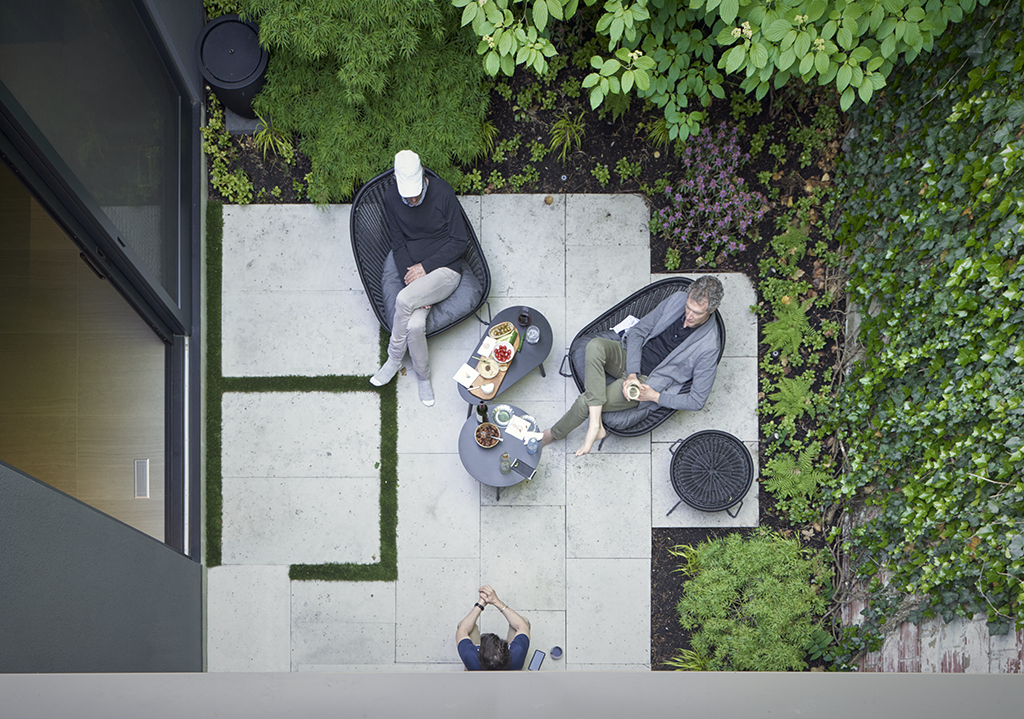
Choosing an architect for a custom home is one of the most consequential decisions a homeowner will make. It shapes the entire experience of design and construction, and ultimately the quality of the home they will live in for decades.
At Michael Taylor Architecture + Design, we've guided clients through this process for over 25 years. Here's what we believe matters most when evaluating your options.
The Craft of Designing Home Additions in Toronto
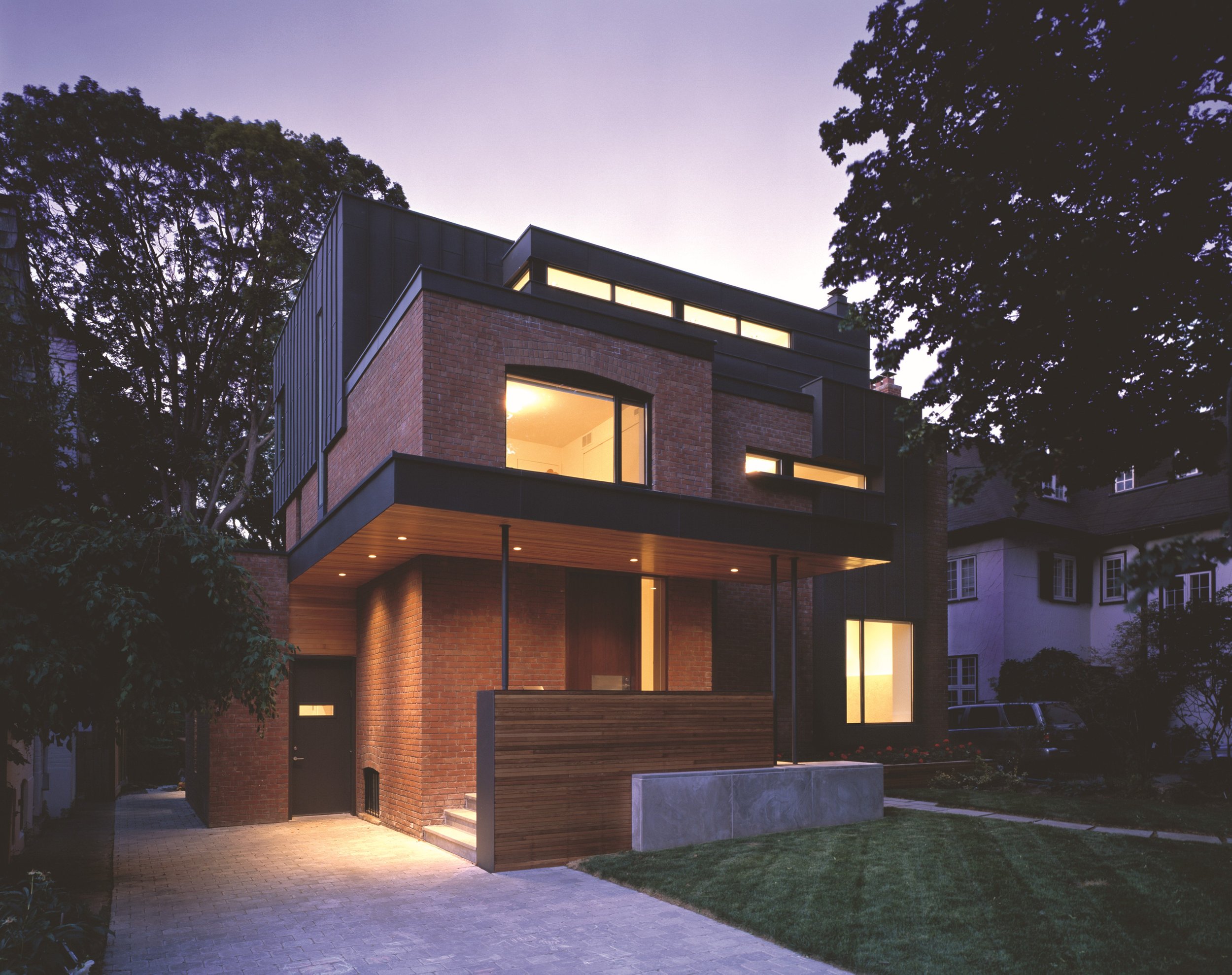
Additions to existing homes, whether expanding vertically or horizontally, are among the most demanding projects we take on. A new build begins with a blank site; an addition begins with a house that is already there. The work is a dialogue with it — navigating tighter constraints, managing the disruption of building onto a home, and, above all, deciding where the new should echo the original architecture and where it should deliberately depart from it.
Building on a Ravine and Near Water in Ontario: What Clients Need to Know
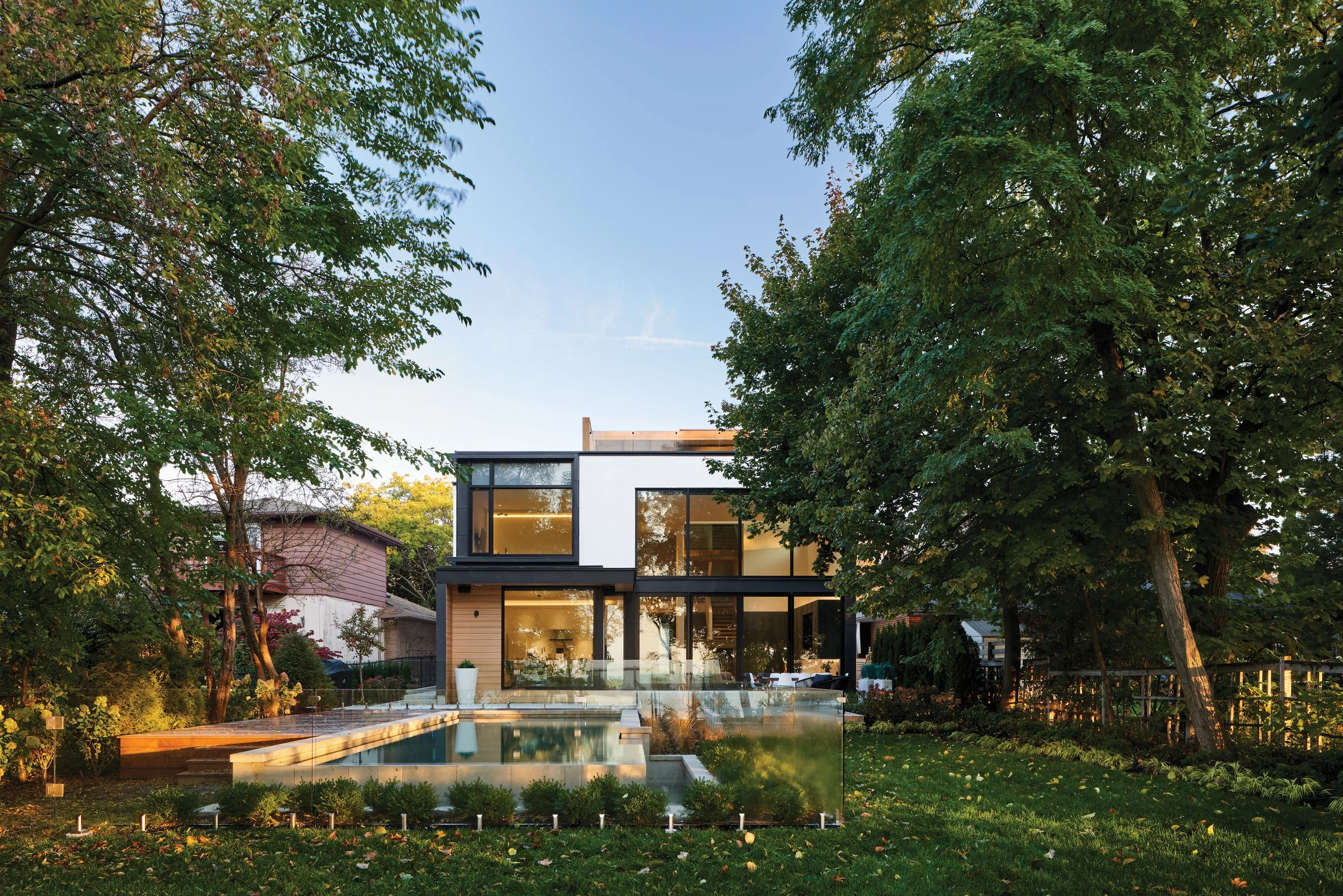
Some of our most rewarding projects have been on the most legislated sites — ravine lots in Toronto and waterfront properties in cottage country. The constraints that make these sites complex are also what make them remarkable - the topography, the views, the relationship to water and landscape. But they also require a level of regulatory fluency that not every architecture firm has developed.

The Committee of Adjustment Process in Toronto: A Guide for Homeowners
Most homeowners who build in Toronto's established neighbourhoods encounter the Committee of Adjustment (COA) at some point in the process. It's one of the aspects of custom residential work that clients are least familiar with going in, and one where having the right approach and representation makes a genuine difference to the outcome. All of the new residences we’ve designed have gone through this process and we have a great track record of approvals.
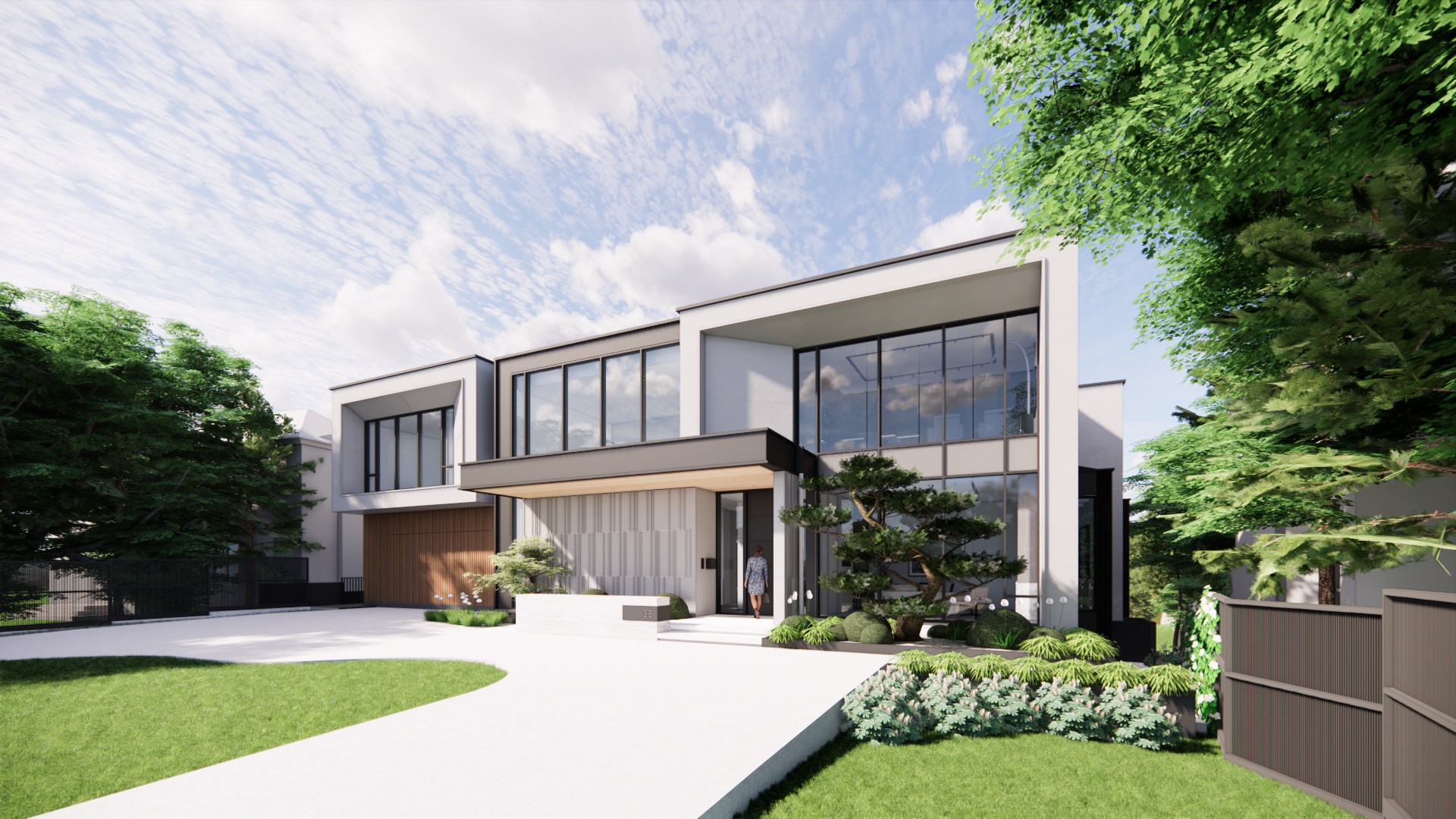
How 3-D Modelling Changes the Residential Design Conversation
We began using 3-D modelling and video flythroughs at Michael Taylor Architecture + Design early on, to give clients a way to fully visualize a project — inside and out before it is built. The gap between what someone imagines from a floor plan and what they experience walking into the finished house is significant: floor plans are abstractions, and most people are not naturally fluent in reading them. A three-dimensional model requires no translation.
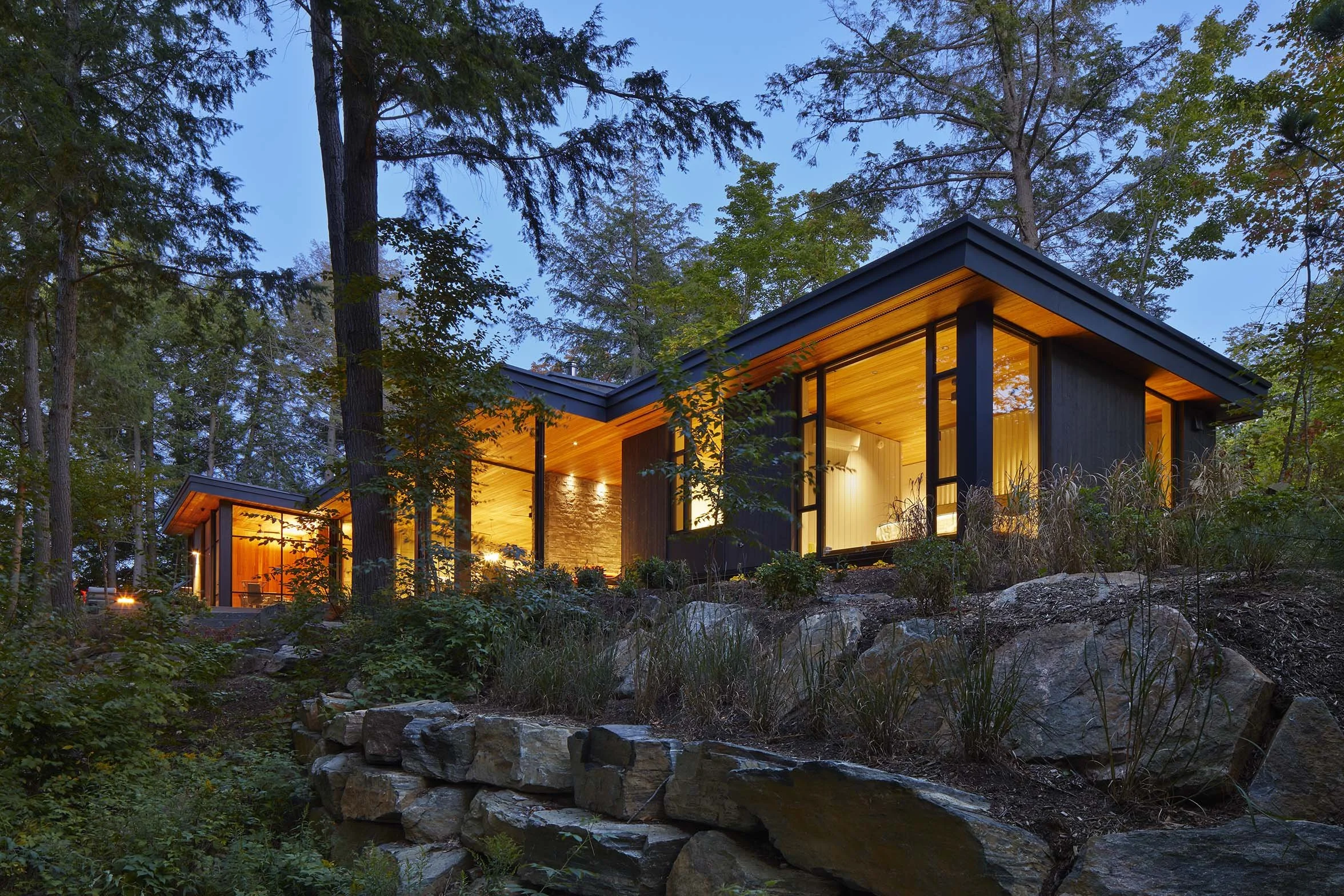
Designing a Cottage in Ontario: A Different Kind of Home
At Michael Taylor Architecture + Design, we’ve designed cottages and rural properties across Ontario — from Muskoka to the Bruce Peninsula and the shores of Lake Simcoe. No two of those sites are alike, but they ask something a city lot never does: that the land lead, that the materials endure months of weather and absence, and that the home suit the life people come to the cottage to live rather than the one they leave behind in the city.