How 3-D Modelling Changes the Residential Design Conversation
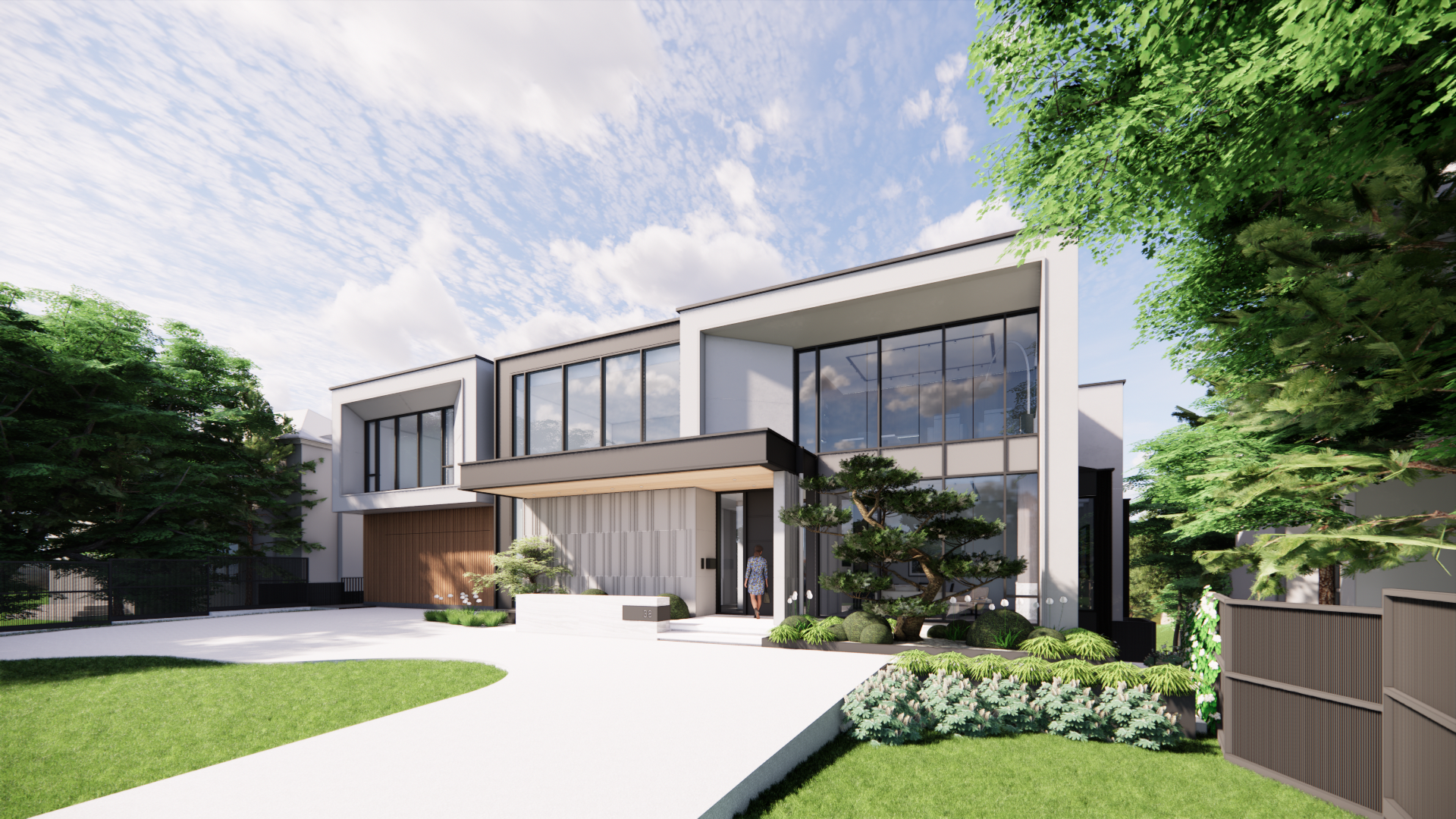
We began using 3-D modelling and video flythroughs at Michael Taylor Architecture + Design early on, to give clients a way to fully visualize a project — inside and out before it is built. The gap between what someone imagines from a floor plan and what they experience walking into the finished house is significant: floor plans are abstractions, and most people are not naturally fluent in reading them. A three-dimensional model requires no translation.
Where it changes the client conversation
The most valuable moments in the design process are not when we present the final scheme — they are early on when we provide a number of options in 3-D that begin the dialogue with the client about realizing their vision. It’s a tool that allows us to work in real time with them – often, design breakthroughs emerge during client meetings where the 3-D model is used to test out ideas. This allows them to truly engage as collaborators and work with us to explore options and refinements of the details.
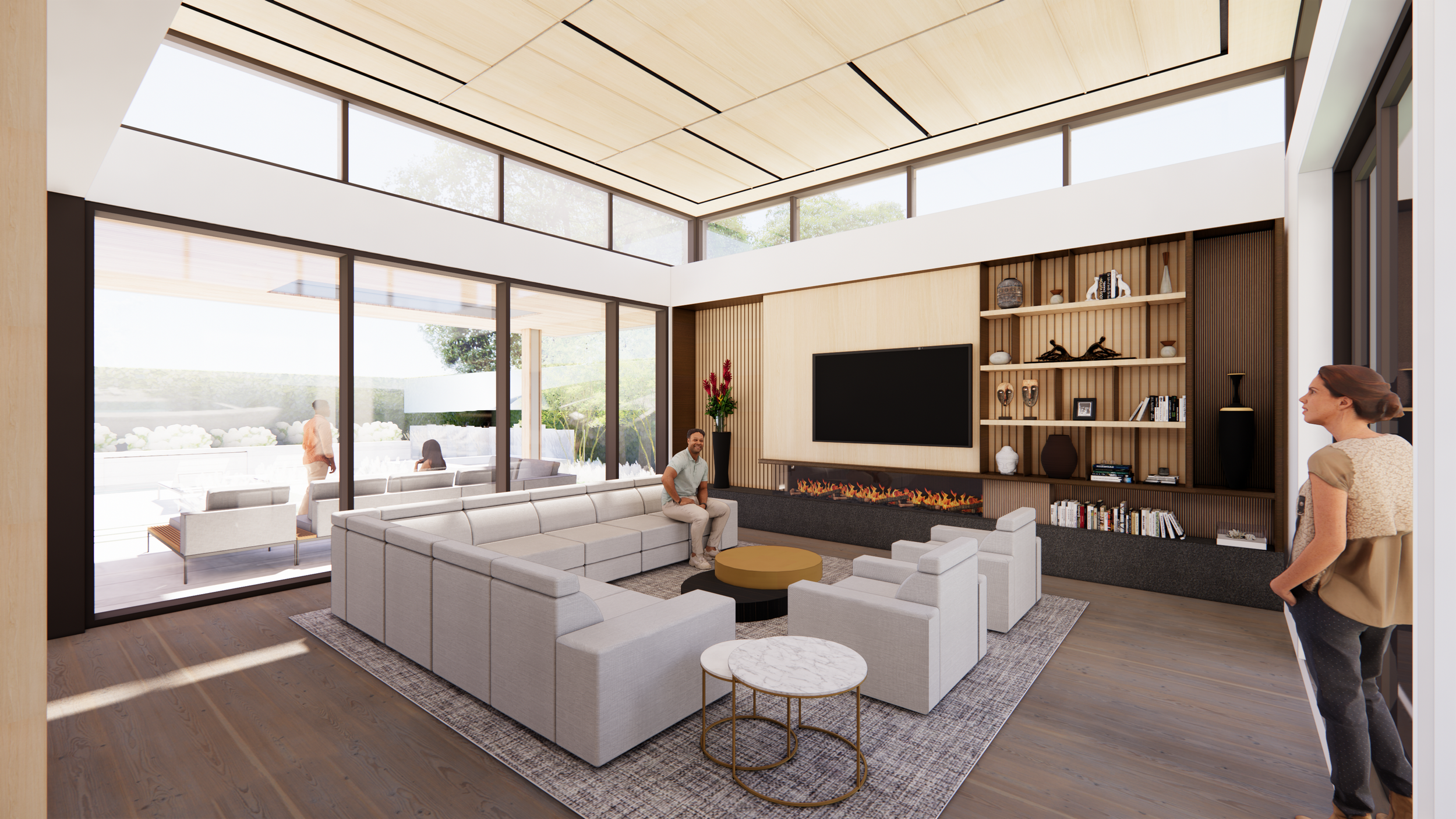
As we develop the project further, it allow us to communicate the nuances of the design - the difference between a ten-foot and a fourteen-foot ceiling; the experience of moving from the entry hall into a larger living space; the way sunlight comes into a room at different times of day and season — all of these are things a client can understand in a 3-D model and struggle to evaluate from 2-D drawings alone.
This isn't about making presentations look impressive. It's about making decisions earlier, with more information, so that changes happen during the design phase rather than during construction where they are exponentially more expensive.
How we use 3-D modelling during design development
Once a preliminary design direction is established, the 3-D model becomes the primary working document. Interior finishes, millwork configurations, lighting locations, furniture layouts — all of this is developed within the model before it is committed to the construction documents. The client can visualize how a proposed stone selection looks in the kitchen alongside the millwork and flooring; they can evaluate whether the living room furniture arrangement they have in mind actually works with the architecture and can see their own art, or a representation of it, on the walls.
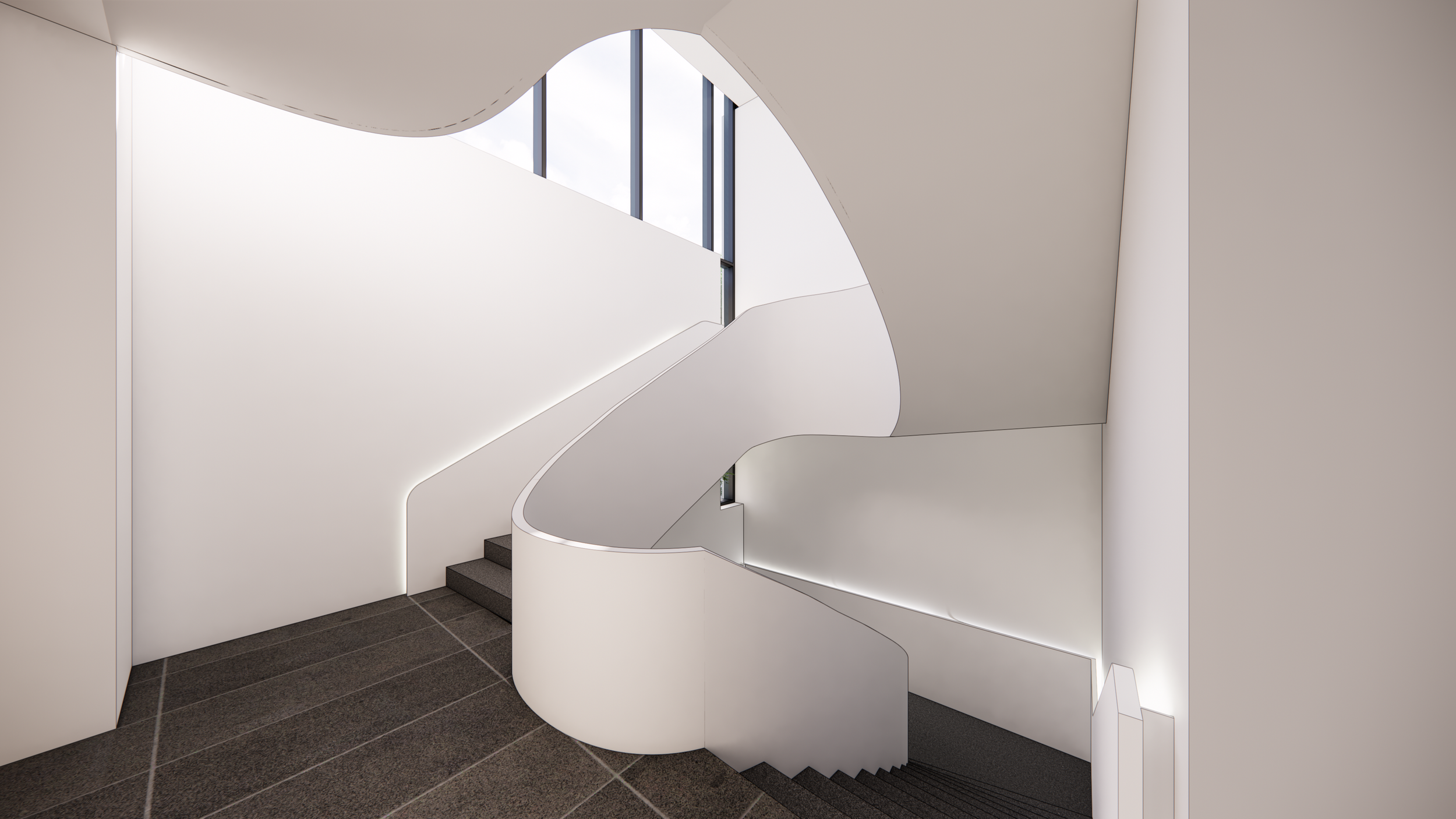
We've become aware of noteworthy issues in this phase that would not have become apparent until during construction of a traditionally documented project — a window location offset from an important sight line; a bedroom and ensuite bathroom layout that worked in plan but would have created an uncomfortable flow once the furniture was installed; a staircase that would have felt cramped.
What it doesn't replace
3-D modelling doesn't replace the need for precise, thoroughly coordinated construction documents. A model is a design tool; the drawings are a legal and contractual instrument. We produce both, and the two inform each other. But the model ensures that the design intent captured in the drawings is one that the client has actually seen and understood, which is the best protection against surprises when construction is complete.
Contact us for a consultation.
About Michael Taylor Architecture + Design:
Since 2000, Michael and his team have developed an international reputation for creating elegant architecture and interiors in Canada and abroad. Each project is cultivated from the spirit of its location and the distinctive tastes and unique vision of our clients.
Michael Taylor Architecture + Design builds on the legacy of Taylor Smyth Architects and continues its commitment to client service, attention to detail and design excellence.