The Craft of Designing Home Additions in Toronto
Additions to existing homes, whether expanding vertically or horizontally, are among the most demanding projects we take on. A new build begins with a blank site; an addition begins with a house that is already there. The work is a dialogue with it — navigating tighter constraints, managing the disruption of building onto a home, and, above all, deciding where the new should echo the original architecture and where it should deliberately depart from it.
The first question is always: Is this the right solution?
Before we begin designing any addition, we spend time discussing with the client whether this is genuinely the best path forward, or whether the same goals could be achieved more elegantly through internal reconfiguration. This conversation sometimes leads to a different project scope than the client initially imagined.
The approvals reality in Toronto
Most additions in Toronto require at minimum a zoning review, and many require a Committee of Adjustment hearing for a minor variance, particularly in established neighbourhoods where lots are dense and setbacks are tight. In ravine or heritage designated areas, additional approvals from the TRCA or Heritage Preservation Services may be required.
At Michael Taylor Architecture + Design, our services include the management of this process, including preparing the drawings and written submissions and representing the client at hearings. Understanding the typical concerns of committee members — neighbour impacts, shadow, privacy, neighbourhood character — allows us to address them proactively in the design itself, which tends to result in smoother hearings.
Working with the existing building
The most common mistake in addition design is treating the existing house as a constraint to work around rather than a resource to draw from. The best addition in our experience either reflect the architectural language of the original building or make a clear and considered departure from it. What doesn't work is the in-between - an addition that tries to blend in but doesn't quite, or that hedges between old and new without committing to either.
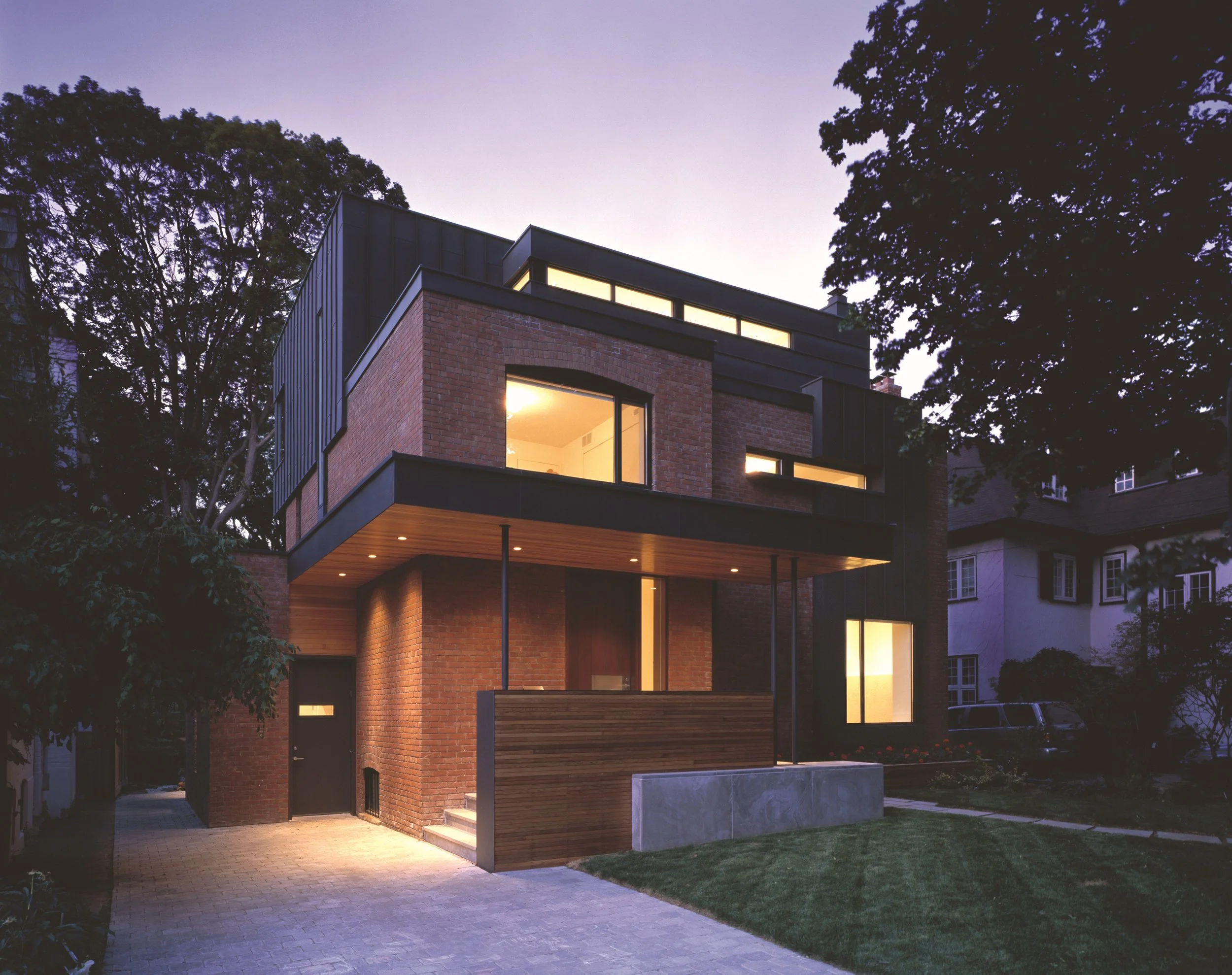
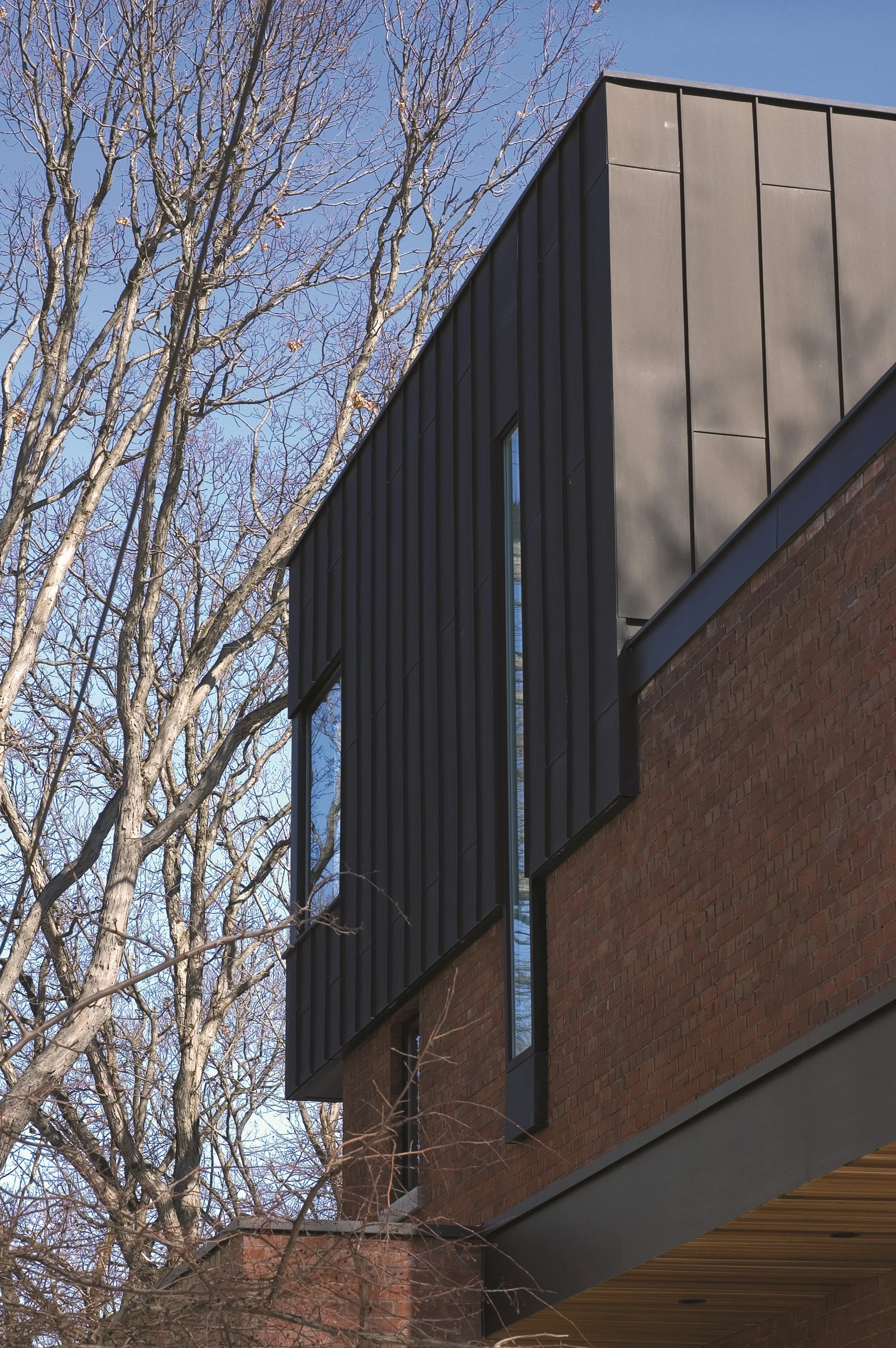
For our Cedarvale Residence, the approach was to make the interventions clearly contemporary using new materials and crisp detailing in contrast to the historic brick of the original structure. New and old are “knit” together, reading as distinct layers of the same story, as the black zinc panels of the top addition extend down over the existing brick, and new windows merge with existing ones.
Understanding the existing conditions
A thorough investigation of the existing structure by both the architect and structural engineer are critical to the successful realization of the project to avoid additional costs during construction due to “surprises.” This requires the opening up of walls and ceilings at key locations to understand the location of structural columns and beams and may also include investigation of the footings if an addition on top of the house is being considered.
Construction while occupied
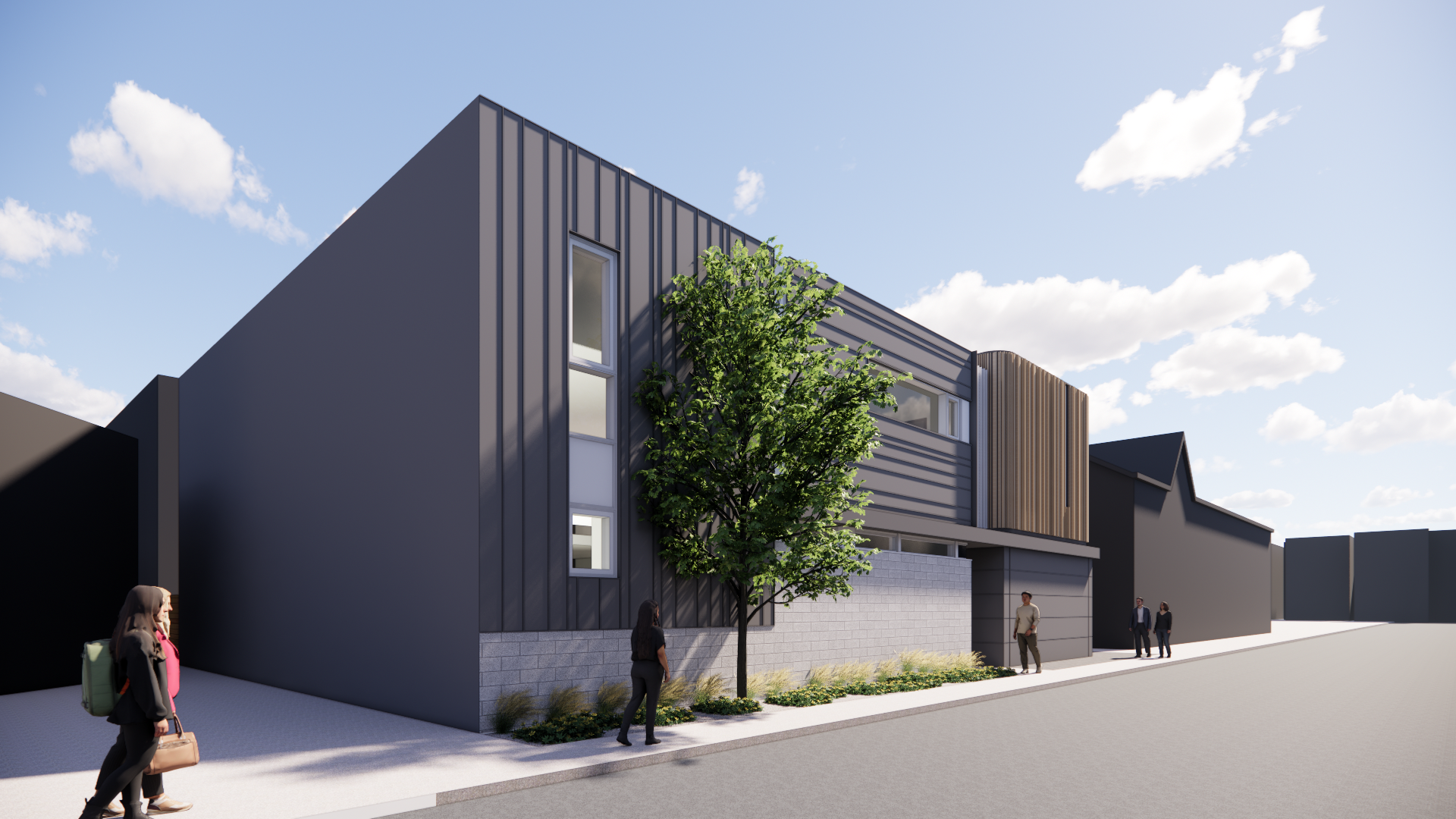
We don’t recommend this, but if the family intends to remain in the home during construction this needs to be factored into the sequence of work from the beginning. Phasing decisions, temporary closures, dust mitigation, and contractor access routes all need to be thought through carefully. This needs to be include in the site coordination from the outset — not as an afterthought once construction has started.
What a well-designed addition delivers
The best additions feel intentional, as if the house was always meant to be this way, and the original design was simply waiting for this final element.
Contact us for a consultation.
About Michael Taylor Architecture + Design:
Since 2000, Michael and his team have developed an international reputation for creating elegant architecture and interiors in Canada and abroad. Each project is cultivated from the spirit of its location and the distinctive tastes and unique vision of our clients.
Michael Taylor Architecture + Design builds on the legacy of Taylor Smyth Architects and continues its commitment to client service, attention to detail and design excellence.