Building on a Ravine and Near Water in Ontario: What Clients Need to Know
Some of our most rewarding projects have been on the most legislated sites — ravine lots in Toronto and waterfront properties in cottage country. The constraints that make these sites complex are also what make them remarkable - the topography, the views, the relationship to water and landscape. But they also require a level of regulatory fluency that not every architecture firm has developed.
What makes these sites different
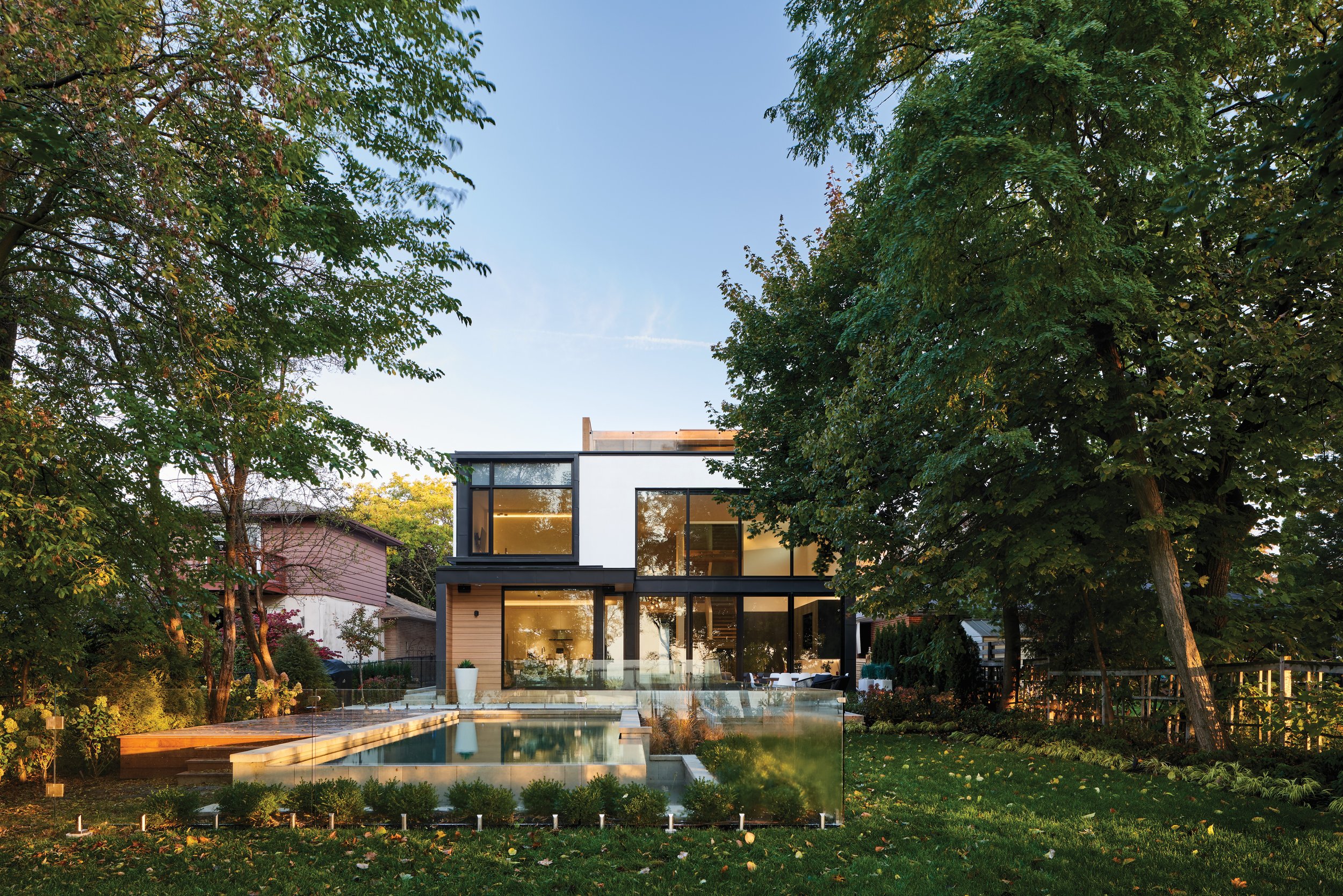
A standard infill project in a Toronto neighbourhood involves the City's zoning bylaw and often the Committee of Adjustment for variances from the bylaw. A ravine or waterfront property adds additional layers - the Toronto and Region Conservation Authority (TRCA) has jurisdiction over significant portions of ravine-adjacent land in the city and their review process involves environmental impact considerations that go well beyond the typical zoning review. Setbacks from the top of the ravine slope, protection of root zones for mature trees, stormwater management and restrictions on impervious surface coverage are all factors that need to be addressed.
On waterfront properties outside the city, the relevant authority changes to the conservation authority with jurisdiction over that watershed and the municipality's shoreline setback bylaw. Each body has its own submission requirements and review timelines.
Designing within the constraints
One of the most important things we've learned about these sites is that working within the regulatory constraints does not have to compromise the vision of the project. A setback that seems limiting can produce a better building — one that sits more gently on the land, makes a less aggressive intrusion into the landscape, and benefits from its distance from the water's edge rather than competing with it.
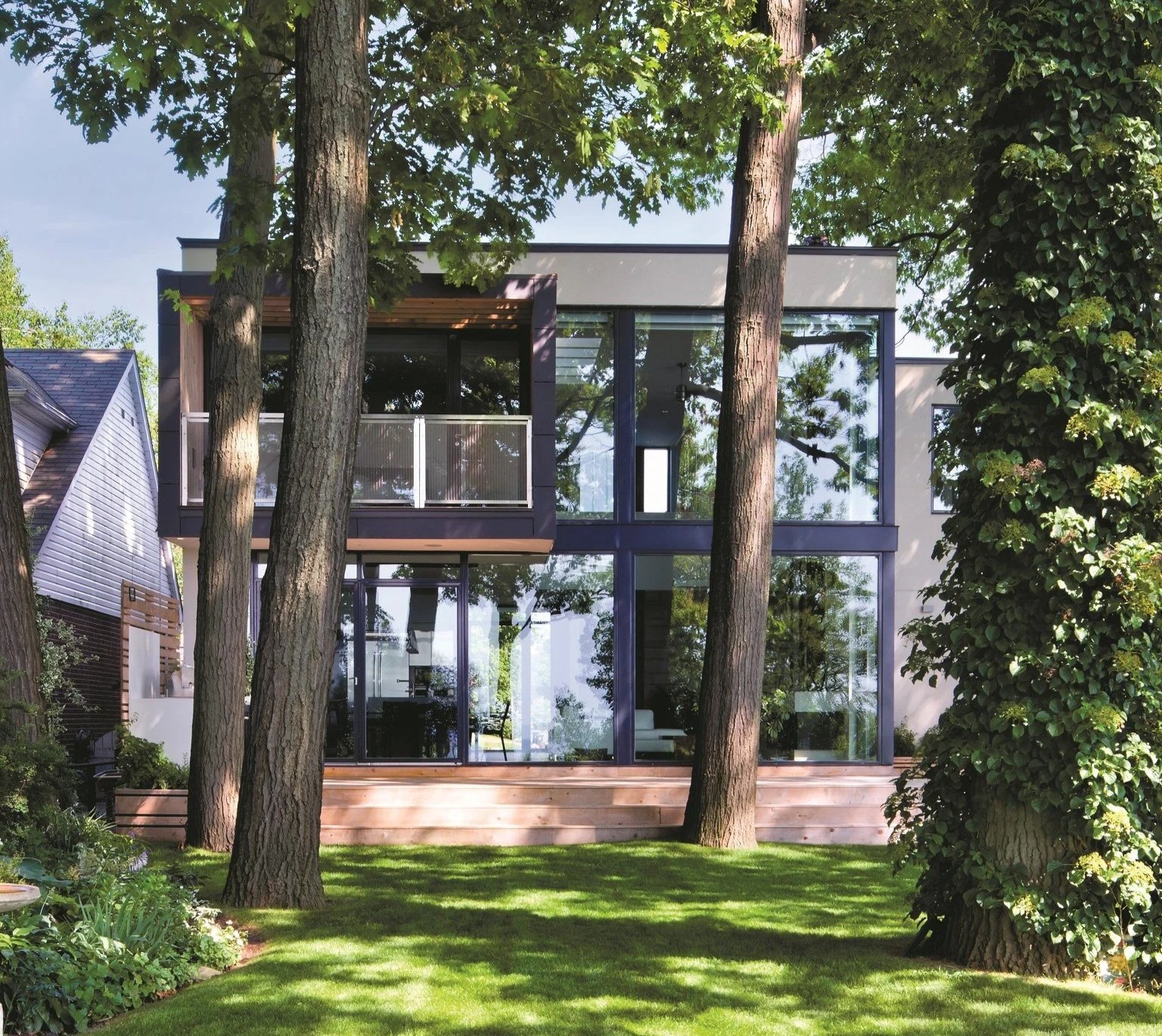
Our House on the Bluffs project in Toronto is a good example. The lot's relationship to Lake Ontario was both the site's greatest asset and its most significant constraint. The design response was to create a house that opens fully toward the lake view through a continuous wall of glass, while keeping its built footprint well within the TRCA-defined setback. By constructing the new building on the foundations of the original house, we were able to minimize the impact on the site and retain all the existing trees. The result is a home that feels profoundly connected to the landscape without affecting it.
Timeline expectations
Ravine and waterfront approvals take longer than standard municipal approvals. Clients should expect the process to add several months to the pre-construction timeline — sometimes up to a year, depending on the complexity of the site and whether appeals or revisions are required. We build this into the project schedule from the outset so that expectations are realistic and the design process isn't compressed at the end to compensate.
The payoff
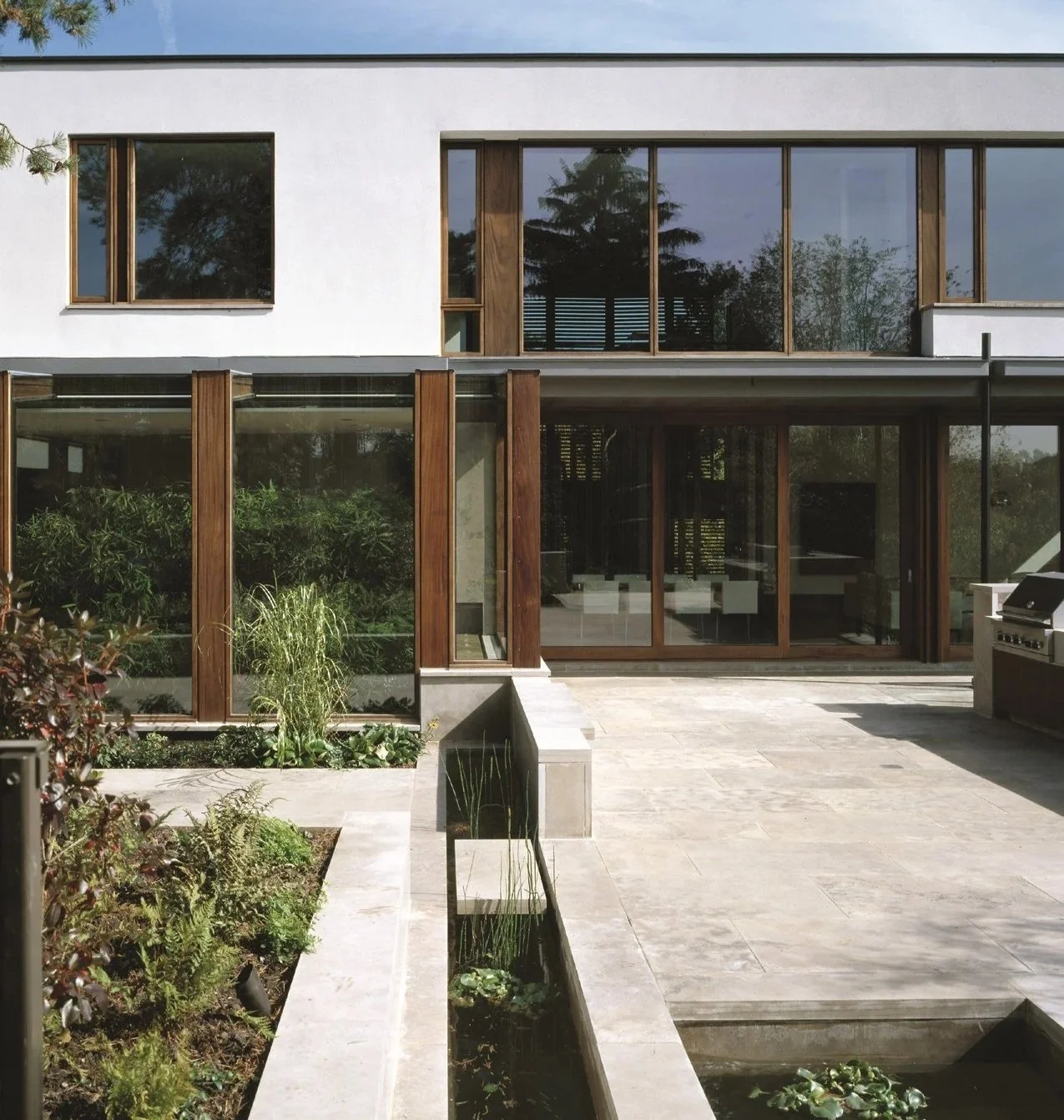
The homes we've built on these challenging sites are among our most engaging. The restrictions that shaped them also ensured that they respond to the land rather than impose on it, which, in the end, is what makes them exceptional.
Contact us for a consultation.
About Michael Taylor Architecture + Design:
Since 2000, Michael and his team have developed an international reputation for creating elegant architecture and interiors in Canada and abroad. Each project is cultivated from the spirit of its location and the distinctive tastes and unique vision of our clients.
Michael Taylor Architecture + Design builds on the legacy of Taylor Smyth Architects and continues its commitment to client service, attention to detail and design excellence.